Most problems in a monitoring round are created before anyone travels: unclear targets, missing site details, teams double-booked and access never confirmed. A round that is planned carefully is far easier to run, check and report.
1. Start with a plan for each implementing partner
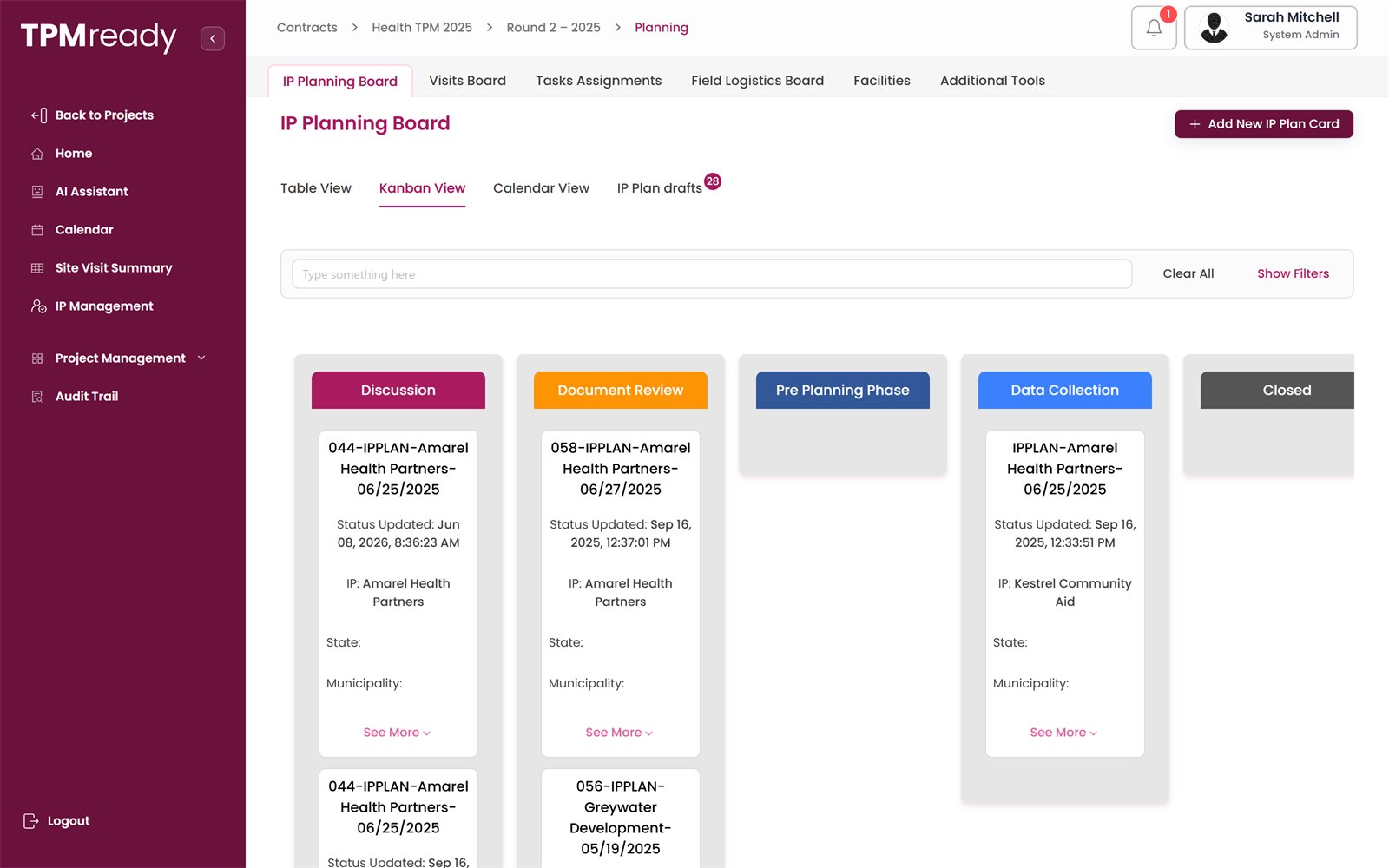
Write one plan per implementing partner (IP) setting out what will be monitored, where and in which period. Treat completeness as a measure in itself: if a plan is missing locations, sectors or reporting requirements, chase it before visits are created.
2. Build the site list from a facilities register
Record each facility once, with its name, type, country, district and contact details, and reuse it across rounds. This avoids spelling variations that break maps and dashboards later. Then agree how sites are selected with the client: full coverage, a random sample, or a risk-based sample weighted towards higher-risk locations.
3. Set targets for every visit
- Collection method: in-person or remote.
- Number of beneficiary and key informant interviews.
- Observation checklists to be completed.
- Planned date, and the window in which the visit must happen.
4. Assign teams, tasks and logistics
Each visit needs a named team leader and enumerators, plus transport and a driver where relevant. Break preparation into tasks with an owner and a deadline: confirm access with the facility, brief the team on the tools, check the vehicle. Tasks with owners are far less likely to be forgotten than items in a group chat.
5. Put everything on one calendar
Visits, tasks and logistics belong on the same schedule. Busy days, clashes between teams and gaps in coverage only become obvious when they sit side by side.
6. Agree what “stalled” means
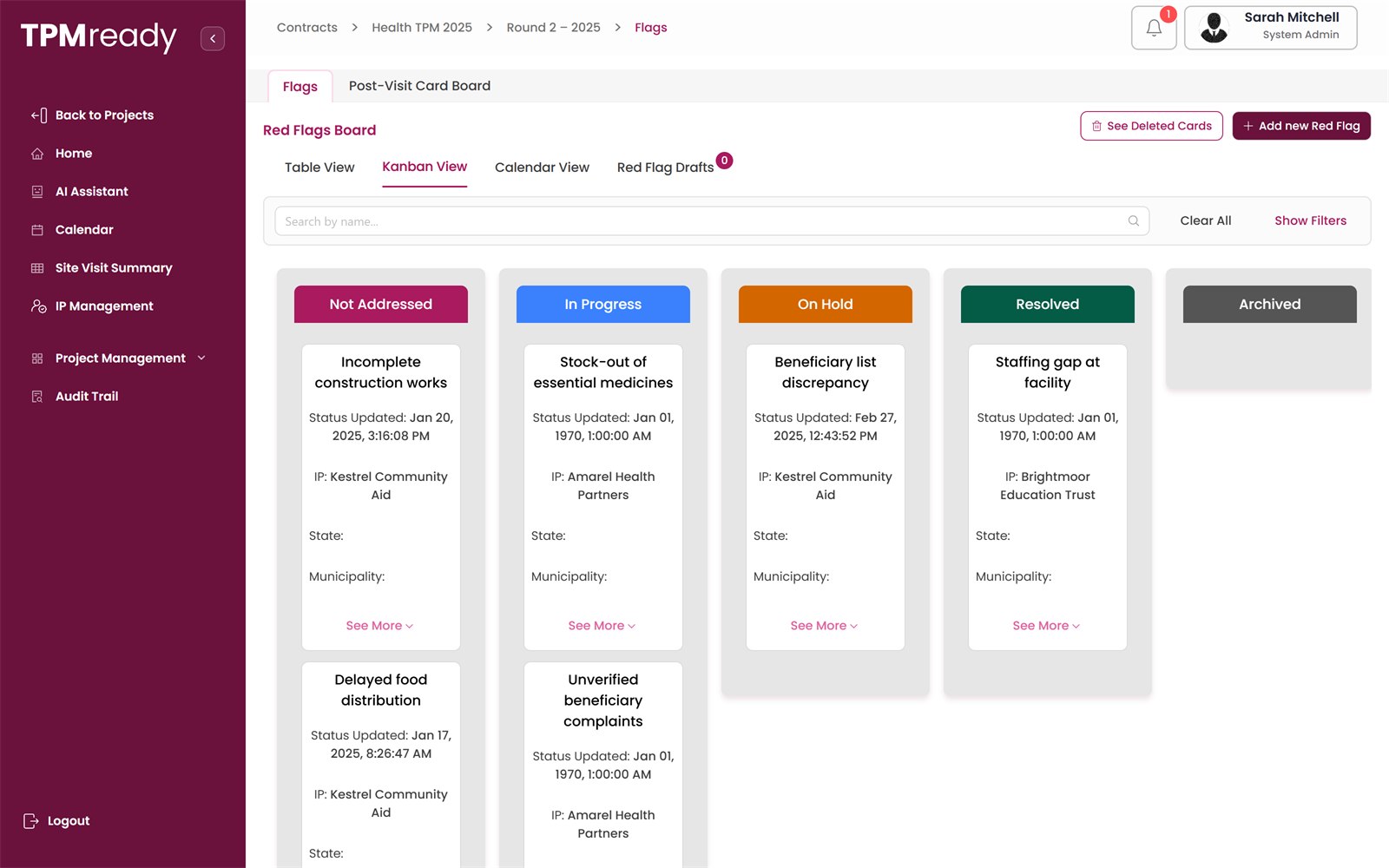
Decide how many days each type of task may sit untouched before it needs attention. Stalled thresholds turn a vague worry into a list that a manager can act on, and escalate, during the round.
Before fieldwork starts
- Every implementing partner has a complete plan.
- Every site exists once in the facilities register.
- Every visit has a method, targets, dates and a team.
- Access is confirmed, or a fallback is agreed.
- Transport and drivers are booked.
- Teams are briefed on tools, safety and safeguarding procedures.
- Stalled thresholds and escalation contacts are set.